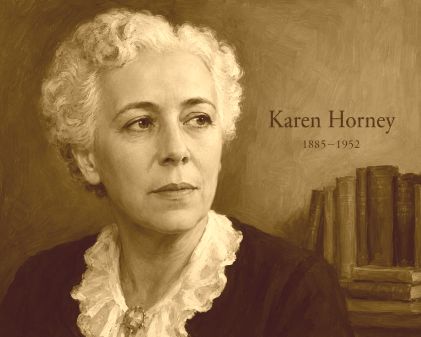
Chapter 2 of “Neurosis and Human Development” is “Neurotic Demands.”
Horney points out that people with mental health disorders (neurotics) have unreasonable and privileged demands (claims) towards reality and others.
Even thinking about myself, I often get angry at others and society, so I may have unreasonable demands, and I may get angry because those demands are not met.
Thinking about my mother, she has various demands, and she strongly urges my father and me to comply with them, and gets angry or hysterical if those demands are not met.
For example, she is completely unable to socialize with neighbors (I have also become completely unable to do so), so she has the desire that things like taking out the trash and other things that require interaction with neighbors should be done by my father and me, and that my mother should be exempted from them.
Chapter 3 of “Neurosis and Human Development” is “The Tyranny of ‘Shoulds’.”
When I first read this chapter, I was shocked.
Now that I’m older, I’m familiar with the theories of Horney and Morita therapy, and many of my ideals have been completely shattered, so I don’t think I usually think in a straightforward way about how I “should” be.
However, from high school through my first and second years of university, I had many “shoulds.”
For example, “I should be liked by people,” “I should be able to act confidently in front of others without getting nervous,” and “I should have many friends and be socially accepted.”
Horney revealed that the tyranny of “shoulds” in neurotics stems from self-idealization, a compulsive desire to create and achieve an ideal self (the pursuit of glory).
In Dr. Morita and Morita therapy, the same thing as Horney’s tyranny of “shoulds” is expressed as “this is how things should be” or “the ideology of how things should be.”
Both works observe the mental activities and phenomena frequently observed in individuals with mental health disorders (neurotics), but I believe Horney far surpasses Morita in terms of the depth of his logic, accuracy, and appropriateness of his terminology (which is understandable, as Morita’s work is primarily therapeutic, not psychoanalysis or psychology).
コメント