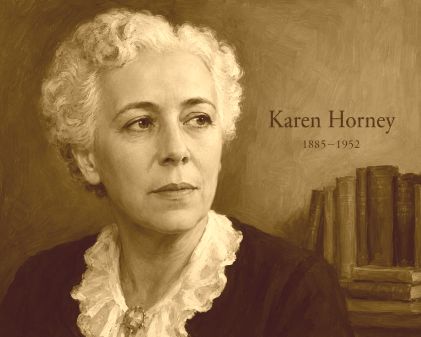
Chapter 15 serves as the definitive synthesis of Horney’s theory of neurotic development and functions as her manifesto, drawing a sharp, systematic contrast between her own humanistic approach and traditional Freudian psychoanalysis.
The core of this chapter can be broken down into three major themes:
1. The Essence of Neurosis: A Distortion of Self-Realization
Horney posits that every human being possesses an inherent, constructive drive toward self-realization—the unfolding of one’s unique potential guided by the “True Self.” However, when a child’s environment breeds “basic anxiety,” this healthy growth is derailed.
- Escape into the Idealized Self: To cope with deep-seated insecurity, the individual creates a static, flawless image of who they should be.
- Self-Alienation: Driven by the tyrannical “tyranny of the shoulds,” the person abandons their actual feelings and desires to chase this phantom perfection. This abandonment of the True Self is the core of neurotic development.
2. The Decisive Divergence from Sigmund Freud
A major portion of this chapter is dedicated to evaluating Freud’s drive theory (libido theory). While Horney deeply respects Freud’s discovery of the unconscious and inner conflicts, she fundamentally rejects his pessimistic view of human nature.
| Aspect | Sigmund Freud (Classic Drive Theory) | Karen Horney (Evolution of Psychoanalysis) |
| Human Nature | Driven by destructive, immutable instincts and biological drives (Libido). | Inherently constructive, possessing a natural capacity for growth and self-realization. |
| Source of Conflict | An eternal battle between primitive instincts (Id) and cultural suppression (Superego). | An interpersonal and intrapersonal struggle between the True Self and the Idealized Self. |
| Goal of Therapy | To control or sublimate instincts and endure the harsh realities of life (Resignation). | To overcome self-alienation, liberate the True Self, and live spontaneously (Growth). |
Horney’s Critique: Freud viewed humans as mechanical entities ruled by biology and past trauma. In contrast, Horney argues that neurosis is not a biological destiny, but a cultural and interpersonal process born out of disturbed human relationships.
3. The Ultimate Goal of Psychotherapy
Finally, Horney redefines the purpose of psychoanalytic therapy based on her theoretical framework.
Therapy is not merely about symptomatic relief or conforming to social standards. Instead, it is a process of dismantling the “idealized self” and dissolving the rigid “shoulds.”
The ultimate goal of analysis is to help the patient reclaim their True Self—giving them the capacity to take responsibility for their own lives, own their genuine feelings, and live with authentic spontaneity.
↓Please click the ranking site banners below.



コメント