
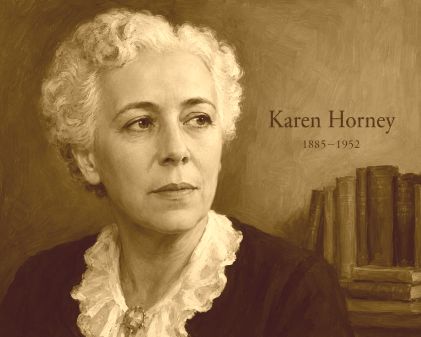
Reading Horney’s “Neurosis and Human Growth” helped me understand the circumstances that led to my social anxiety disorder (social phobia), the workings of my mind, “shoulds,” my self-expanding narcissistic character, and the mechanisms of self-satisfaction, self-loathing, and inferiority complex. While I found this explanation reassuring, the actual symptoms and anxieties didn’t improve much.
To use a physical illness analogy, it was like understanding why I got sick, which organs hurt and how, but being unable to escape the pain or illness.
In addition to these mental disorders, I had a habit of neglecting my studies in high school, and with living alone for the first time, I spent time on club activities and part-time jobs, causing me to fall behind in university classes again and repeatedly repeat years.
My friendships and social life were unstable, with periods of success and periods of failure due to anxiety and tension, and overall, it continued to worsen.
When my relationships didn’t go well, I was overwhelmed by intense feelings of loneliness, inferiority, self-loathing, and anxiety. When I tried to escape these negative emotions by engaging in relationships, I encountered problems such as anxiety, tension, fear of being stared at, and awkwardness, leading to failure. Whether I was involved in relationships or not, it was extremely unpleasant—a double whammy. To quote Horney, “The same disharmony is seen in interpersonal relationships in general: an increase in desires and a decrease in the ability to satisfy them” (Neurosis and Human Growth, Chapter 12: “Neurotic Disorders in Interpersonal Relationships”).
I had a strong desire to escape loneliness and the accompanying anxiety and inferiority complex, but my social skills, ability to build and maintain relationships, and my humanity were diminished and damaged.
↓Please click the ranking site banners below.


コメント