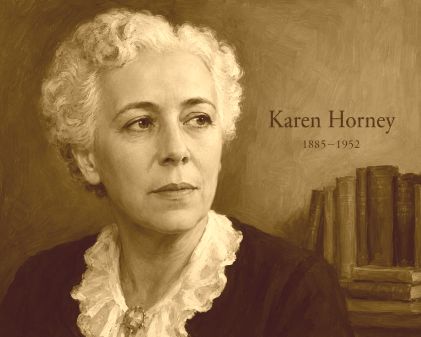
Chapter 14 of Neurosis and Human Growth, “The Psychoanalytic Path,” details the therapeutic process toward recovery from neurosis. Here, Karen Horney develops a unique therapeutic theory that sets itself apart from traditional Freudian methods.
- The Goal of Treatment: From Self-Actualization to Self-Actualization
The ultimate goal of treatment is liberation from the “self-idealization” bound by the neurotic pride system, and growth toward the “realistic ego” that the person inherently possesses. Horney defines this not as achieving external success or recognition (self-actualization), but as vividly nurturing inner potential (self-actualization). - The Therapeutic Process: “The Disillusionment Process”
The first stage of treatment is called the “disillusionment process.” This is the process of shattering two powerful illusions held by the patient.
- The First Illusion: The illusion of viewing oneself as a perfect, godlike “idealized self.”
- The Second Illusion: The illusion of viewing oneself as a worthless, “despised self.”
Through therapy, patients emotionally and experientially come to understand that they are actually different from these illusions.
- Key Elements of Therapy
① Therapeutic Relationship (Mutual Cooperation)
Therapy is not a one-sided interpretation by the analyst, but a “mutual process” in which the patient and analyst cooperate. The analyst is not a neutral observer, but an “empathetic participant,” utilizing the emotions and reactions that arise in the relationship with the patient in the therapy.
② Utilization of Internal Resources (Free Association and Dreams)
- Free Association: By talking about anything that comes to mind, patients bring unconscious motivations to the surface.
- Dream Interpretation: Horney places particular importance on dreams. This is because dreams are the place where internal conflicts that patients do not consciously want to acknowledge, and the voice of the “realistic self” that is being suppressed, appear in their purest form.
③ Focusing on “Blockage”
This approach expands upon the traditional concept of “resistance” by identifying obstacles (blockages) that hinder the progress of treatment. This includes not only patient defense mechanisms (self-blame, intellectualization, treatment aggression, etc.) but also neurotic reactions on the analyst’s side. Overcoming these is key to progress through the “working-through” process.
- Characteristics of “Working Through”
Horney’s “working through” is not about digging up past traumas, but rather a process of gaining deeper and broader recognition of neurotic patterns manifesting “here and now.”
Specifically, the following awareness occurs in stages: - Recognition: Becoming aware of compulsive impulses of “how things should be.”
- Experience: Realizing how these negatively impact relationships and work.
- Reality Testing: Understanding that one’s “demands” and “fantasies” are actually unhelpful.
- A Shift in Values: Stop living for pride and choose what is truly important to you.
- The Role of the Analyst
According to Horney, the analyst plays the following roles:
Respect for Defenses: Rather than simply trying to break down the patient’s defense mechanisms, understand that they are a means of maintaining the balance necessary for the patient at that time, and support them in letting go when a new “ground” is secured.
In summary, Chapter 14 concludes that the path to growth from neurosis lies in dismantling the illusion of “self-idealization” and having the courage to face one’s true self. It also states that the therapeutic relationship that supports this process, along with the accumulation of small awareness in daily life, is the path to recovery.
Human Support: Not merely an advisor, but someone who wishes for the patient’s healthy growth and provides emotional support.
Facilitating Reality Testing: Guiding the patient to recognize the unreality of their own illusions.
↓Please click the banner below.


コメント